
Momentum Health Consulting
Professional, person-centred clinical assessments & support worker education
“We provide evidence-based clinical assessment, care planning, education and RN-led support for NDIS participants, providers and support teams.”
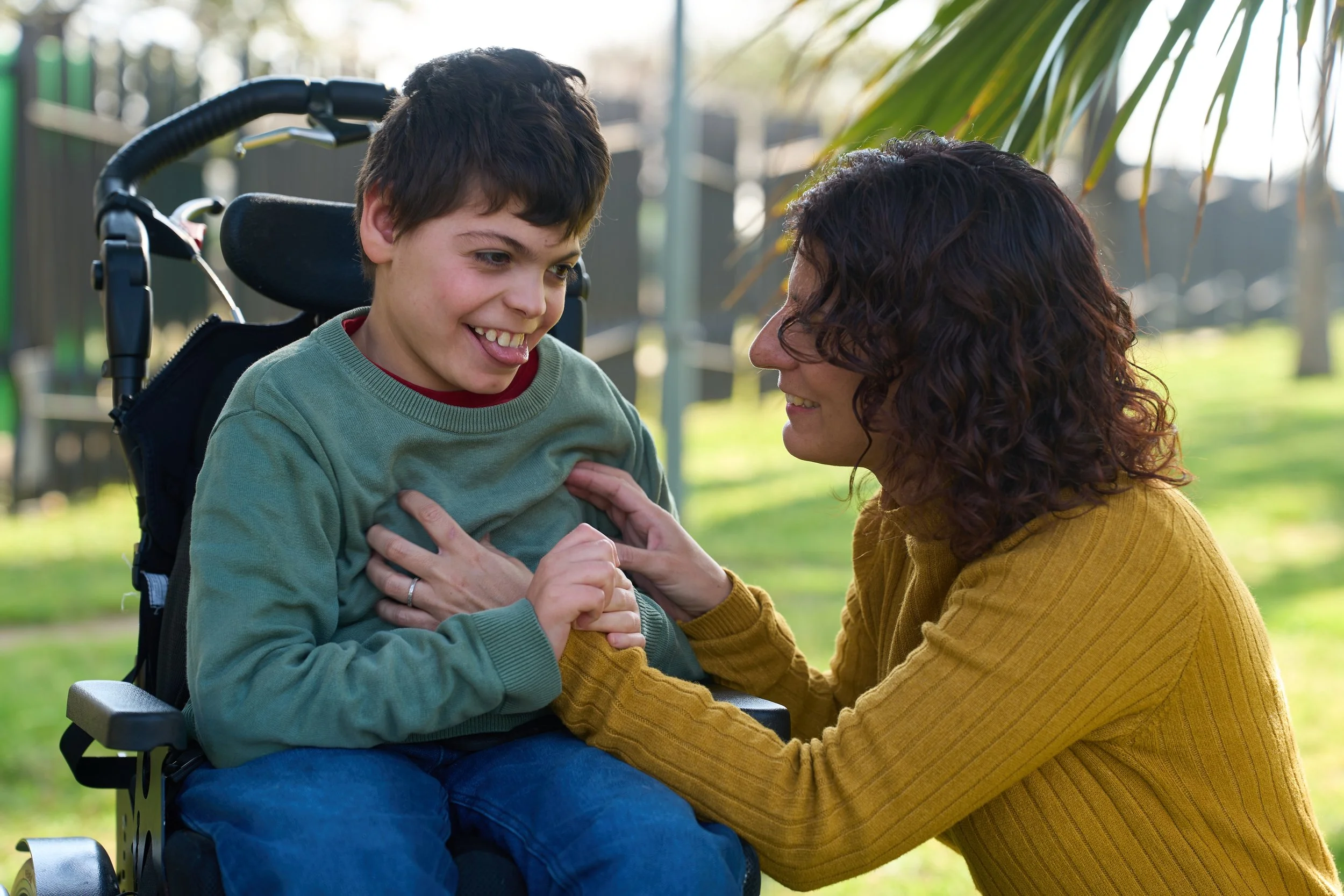
Momentum Health Consulting is a Registered Nurse (RN) led clinical service.
We deliver high-quality clinical support designed to improve safety, independence and day-to-day functioning.

Clinical Services
Momentum Health Consulting services include:
RN Clinical Assessment & Support Planning
Wound, Catheter, Bowel & Medication Clinical Management Plans
RN Clinical Reviews, Consultation & Care Coordination
Clinical Risk Assessments & Safety Planning
RN-Led Worker Training & Competency Assessments
Clinical Education & Tailored Workshops
External RN Clinical Support for Disability Providers
Competency assessments are conducted by a Registered Nurse to support safe delivery of participant-specific high intensity supports. These are non-accredited and not formal training qualifications.


CARE PLANNING & ONGOING RN SUPPORT
Momentum Health Consulting provides tailored, evidence-based care plans and ongoing clinical oversight to ensure safe, consistent and appropriate support for participants and their teams.
-
Clear, person-centred plans that outline care needs, step-by-step support instructions, risk management strategies, monitoring requirements and escalation pathways.
-
Regular or one-off reviews to monitor health changes, continence, wound progress, medication safety, risks, skin integrity and early signs of deterioration.
-
Guidance for carers and support workers, review of care practices, identification of risks, and coaching on safe, consistent care delivery.
-
Liaison with support coordinators, allied health, families and carers to ensure everyone understands the participant’s needs and care strategies.
-
Reviewing and updating plans when needs change, adjusting recommendations and providing follow-up support.
Clinical Education & Workshops
-
Recognising early signs of deterioration, changes from a participant’s usual baseline, and knowing when and how to escalate concerns.
-
Recognising skin changes and pressure injury risks, preventative strategies, and knowing when to report and escalate concerns.
-
Understanding continence needs, recognising common risks and changes, supporting safe continence care, and knowing when to report and escalate concerns.
-
Clear, objective clinical documentation, recognising what information needs to be recorded, and communicating relevant health information effectively between support workers and clinical teams.
-
Safe medication practices, common risks and errors, documentation, storage and when to escalate concerns.
-
Building support-worker confidence in recognising and responding to common clinical risks, changes in health status and individual support needs.
-
Training can be customised to your organisation, support team and participant needs. Individual modules can be delivered as standalone sessions or combined into tailored half-day or full-day workshops.